
Our summer pruning guide is a fantastic resource for homeowners looking to keep their trees, shrubs, and perennials looking their best and thriving throughout the growing season. While many plants prefer a good trim during their dormant phase, summer also offers a crucial opportunity for some selective cutting.
When done right, summer pruning can enhance airflow, manage growth, maintain a pleasing shape, and promote healthier development. Whether you’re caring for mature trees, ornamental shrubs, vibrant flowering plants, or lush perennial gardens, this summer pruning guide will empower you to make informed decisions about what to trim and how to confidently approach your landscape.
In this guide, you’ll learn:
- When and why to prune during summer
- What trees, shrubs, and perennials to trim
- How to prune safely and effectively
- Common summer pruning mistakes to avoid
- When to call a professional for pruning help
Summer Pruning Guide: What to Trim Now for Healthier Trees, Shrubs, and Perennials
Why Summer Pruning Matters
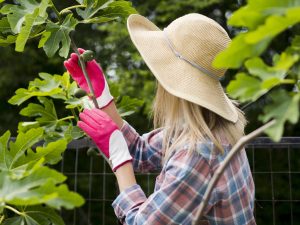
Following our summer pruning guide can really empower homeowners to make smart choices about keeping their landscapes in tip-top shape during the growing season. Summer pruning isn’t just about trimming plants down to size; when done right, it can enhance the look and structure of your plants while also getting rid of any growth that’s dead, damaged, diseased, or just growing in the wrong direction.
One of the key perks of summer pruning is that it allows you to tackle issues that pop up during the active growth phase. After those spring storms, you might spot broken branches or damaged limbs that need some TLC. You could also find branches rubbing against each other, overgrown areas blocking pathways, or shoots that are reaching too close to your home.
A well-thought-out summer pruning guide stresses the importance of moderation. Taking off too much healthy foliage in the heat can put unnecessary stress on your plants. For homeowners, the aim should be to prune strategically, addressing specific issues while keeping as much healthy growth intact as possible.
Need Help? Learn More About Our Landscape Maintenance Services Today.
What Should Homeowners Prune During Summer?
When it comes to summer pruning, the smartest way to start is by tackling the growth that obviously needs to go. Take a stroll around your property first and give your trees, shrubs, and perennial beds a good look. Keep an eye out for dead branches, broken limbs, any signs of disease, branches that are crossing each other, and those pesky unwanted shoots. These are usually the best spots to kick off your pruning efforts.
Homeowners should generally look for:
- Dead branches: Remove branches that are no longer living or producing healthy growth.
- Broken or damaged limbs: Address branches damaged by storms, wind, or other environmental conditions.
- Diseased growth: Remove affected areas when appropriate to help protect the rest of the plant.
- Crossing or rubbing branches: Reduce branches that rub against one another and potentially cause damage.
- Water sprouts and suckers: Remove unwanted shoots that disrupt the plant’s natural structure.
- Overgrown branches: Trim growth that blocks walkways, windows, driveways, or other areas around your property.
Dead and Damaged Branches
Dead and damaged branches can really impact the look and safety of your landscape. Those broken limbs might become a hazard, and dead branches could end up falling during storms or strong winds.
Taking care of dead or damaged growth is a key part of summer maintenance. When you’re making those cuts, be sure to use clean, sharp tools and try not to leave behind any large stubs.
For homeowners, tackling smaller dead branches is usually a task that can be handled on your own. But when it comes to larger limbs, high branches, or those close to structures, it’s best to call in a professional for a proper evaluation.
Summer Pruning for Trees
When it comes to summer pruning for trees, it’s essential to consider factors like the tree’s species, age, size, and overall health. Each type of tree has its own unique pruning needs, and larger trees often require the expertise of a professional.
For those smaller ornamental trees in your yard, a bit of selective summer pruning can work wonders by removing dead, damaged, or crossing branches. You might also need to trim back any branches that are getting too close to walkways, buildings, roofs, or other areas of your property. Be cautious about topping trees or taking away large sections of the canopy without a solid reason.
Overzealous pruning can actually weaken a tree, spur unwanted growth, and lead to structural issues down the line. Young trees can really benefit from structural pruning, which helps promote strong branch development.
Summer Pruning For Shrubs

Shrubs play a crucial role in any summer pruning guide. The ideal time to prune really hinges on when the shrub blooms.
For spring-flowering shrubs, they usually produce their flowers on older wood. So, the best time to prune these plants is right after they’ve finished blooming. If you wait too long, you might end up with unruly growth that’s harder to manage.
On the other hand, summer-flowering shrubs have different needs and can often handle a trim during the growing season. Taking off dead or damaged branches is a great way to keep the plant healthy, and a little selective shaping can prevent them from getting too wild.
Before you start pruning any flowering shrub in your yard, take a moment to identify the plant and learn about its blooming cycle. This knowledge can save you from accidentally snipping off flower buds that are already on the way.
Summer Pruning for Perennials
Perennials can really thrive with a little summer pruning and care. As the growing season rolls on, you might notice that some flowers lose their luster, leaves get a bit battered, or certain plants shoot up taller than you’d like.
One of the easiest ways to give your garden a boost is by deadheading those spent flowers. Snipping off the faded blooms not only tidies up your flower beds but can also encourage more blooms to pop up, depending on the type of plant.
If you find some perennials getting a bit leggy, floppy, or overcrowded, a light trim can work wonders. Just be careful not to chop off healthy leaves unnecessarily—those green beauties are essential for energy production, and over-pruning can leave your plants feeling weak.
How Summer Pruning Supports Plant Health
By getting rid of dead or damaged growth, you can enhance the overall look of your plants while also addressing any safety issues that might arise. Selective pruning is also great for managing branches that might be crossing or rubbing against each other.
In some cases, trimming can boost airflow through thick foliage. Improved air circulation can create a less inviting environment for certain plant diseases.
Additionally, summer pruning can keep plants from encroaching on walkways, driveways, windows, or other areas where they might become a bit of a hassle.
For homeowners, the potential benefits of thoughtful summer pruning include:
- Improved appearance: Keep trees, shrubs, and garden beds looking neat and well-maintained.
- Better plant structure: Remove problematic growth and encourage a more balanced appearance.
- Removal of damaged growth: Address branches and stems affected by storms or other damage.
- Improved airflow: Reduce excessive density in some plants to encourage better air circulation.
- Better property access: Keep branches and shrubs from interfering with walkways, windows, and other areas.
- Long-term landscape maintenance: Address small issues before they become larger pruning or maintenance problems.
Pruning should always have a clear intention behind it. Just trimming away healthy growth for the sake of it can lead to unnecessary stress for the plant.
How To Prune Safely and Effectively
Hand pruners are perfect for tackling those smaller branches and stems, while loppers come in handy for the bigger growth. Choosing the right tool not only helps you make cleaner cuts but also minimizes any unnecessary damage to the plant.
When you’re pruning shrubs, it’s a good idea to step back every now and then to assess the overall shape of the plant. This way, you can avoid over-pruning one section while leaving another part untouched.
For homeowners, basic summer pruning can be quite manageable, especially when dealing with small plants and branches that are easy to reach. Just remember to steer clear of any tasks that involve climbing or using equipment you’re not trained to handle.
If you find a branch that’s close to a power line, roof, or any other structure, it’s best to call in a qualified professional instead of trying to tackle it on your own.
Common Summer Pruning Mistakes Homeowners Should Avoid
One of the biggest blunders pointed out in summer pruning guides is taking off too much growth all at once. When the temperatures soar, plants are often already feeling the heat and struggling with limited moisture.
Going overboard with pruning can strip away too much foliage, which in turn hampers the plant’s ability to generate energy. Instead, try to make selective cuts that tackle specific issues.
Homeowners should also avoid:
- Pruning too aggressively: Removing too much healthy growth can place unnecessary stress on plants.
- Pruning at the wrong time: Cutting flowering plants before they bloom may remove flower buds.
- Ignoring the plant species: Different trees, shrubs, and perennials have different pruning requirements.
- Using dull or dirty tools: Poor-quality cuts can damage plants and make pruning more difficult.
- Ignoring safety concerns: Avoid pruning large branches or trees near power lines and structures yourself.
- Pruning without a purpose: Every cut should address a specific maintenance, health, structural, or safety concern.
When To Hire a Professional
Some summer pruning tasks are definitely best handled by seasoned landscaping or tree care experts. When it comes to large trees, mature branches, storm-damaged limbs, or growth near utility lines, safety should be a top priority.
A professional can take a close look at your plants and figure out which branches need to go and which ones can stay. They’re also skilled at spotting structural issues, potential diseases, or other problems that might not be obvious to someone without experience.
If your landscape needs a lot of pruning, getting professional help can make sure the job is done safely and keeps your plants healthy for the long haul.
How J.M. McLaughlin Landscaping Can Help
At JM McLaughlin Landscaping, we’re all about helping homeowners keep their landscapes looking vibrant and healthy. Our professional pruning and landscape maintenance services are designed to give your trees and shrubs the summer pruning they need, as well as provide seasonal care for your outdoor spaces. Let our dedicated team help you maintain a stunning property all through the growing season!