
Summer is truly one of the most enjoyable times to be outside in your yard. Whether you’re throwing a barbecue for friends, spending quality time with family, or just soaking up the sun, a vibrant landscape can really enhance the comfort and appeal of your home. But let’s be real—those soaring temperatures, dry spells, heavy foot traffic, and fast-growing plants can pose some challenges for homeowners.
You don’t need to dive into complex landscaping projects to keep your yard looking fabulous this summer. Simple things like regular watering, mowing at the right height, controlling weeds, pruning your plants, and giving them a little extra care can make a huge difference in maintaining a thriving outdoor space. With these summer landscaping tips, you can keep your lawn and plants healthy while ensuring your property stays beautiful all season long.
What You’ll Learn
In this guide, you’ll learn practical ways to keep your yard healthy and attractive throughout the summer, including:
- How to properly water your lawn and landscape plants
- The best mowing practices for summer lawn care
- Ways to control weeds and maintain garden beds
- How mulch can protect soil and improve your landscape
- When and how to prune trees, shrubs, and other plants
- How to identify soil, drainage, and plant health problems
- Simple ways to improve your yard’s curb appeal
- When professional landscaping services may be beneficial
10 Summer Landscaping Tips For a Healthy, Beautiful Yard

1. Water Your Lawn and Plants Properly
When summer rolls in, the heat can really take a toll on your lawns, gardens, shrubs, and other plants in your landscape. One of the key things to keep your yard looking its best during those hot days is proper watering.
Instead of giving your plants a light sprinkle every day, it’s usually better for homeowners to focus on deep watering when the weather calls for it. Early morning is the ideal time to water, as it helps minimize evaporation and allows your plants to soak up the moisture before the sun gets too intense.
How much water you need will vary based on your grass type, soil conditions, the weather, and the specific plants in your landscape. Newly planted areas often need a bit more care compared to established ones.
Just be cautious not to overdo it with the watering. Too much moisture can lead to problems for your lawn and plants, and consistently soggy soil can harm root health. Keep an eye on your soil and watch how your plants and lawn respond to figure out when they need a little extra water.
2. Mow Your Lawn at the Right Height
Taking care of your lawn through proper mowing can really make a difference in how it copes with the summer heat.
First off, steer clear of cutting the grass too short. When you chop off too much of the grass blade, it can stress the plant and leave your lawn more susceptible to the heat and dryness. Instead, aim to keep the mowing height suitable for the specific type of grass you have.
Another key point is to ensure your mower blades are sharp. Dull blades tend to tear the grass instead of giving it a clean cut, which can leave your lawn looking a bit ragged.
Also, try not to take off too much grass in one go. If your lawn has grown quite a bit, it’s better to gradually trim it back to the right height rather than going for a drastic cut all at once.
Regular mowing during the summer not only keeps your lawn looking tidy but also promotes its overall health.
3. Control Weeds Before They Take Over
Summer is the perfect time for weeds to thrive. If you don’t keep an eye on them, they can quickly start competing with your grass, flowers, shrubs, and other plants for essential resources like water, sunlight, and nutrients.
Make it a habit to check your lawn and garden beds regularly. Tackling weeds when they’re still small not only makes the task easier but also helps stop them from spreading. Plus, adding mulch to your garden beds can be a game-changer. It blocks sunlight from reaching weed seeds, which helps keep those pesky plants at bay. And let’s not forget, a good layer of mulch can also help your soil retain moisture during those hot summer days.
Whenever you decide to use any weed-control products, be sure to read the label carefully and apply it correctly for the specific plants and areas you’re treating. Staying on top of weed management is usually much simpler than letting them take over and then trying to fix the mess later.
4. Add or Refresh Mulch
Mulch is not just practical; it also adds a lovely touch to your landscape beds. In the summer, it plays a vital role in keeping soil moisture intact, regulating soil temperatures, and keeping those pesky weeds at bay.
However, over time, mulch can thin out, get displaced, or break down. Summer is the perfect opportunity to check on your planting beds and see if they could use a little refresh.
Before you lay down new mulch, make sure to clear out any large weeds and spread the new material evenly. It’s best to avoid piling mulch right up against tree trunks or plant stems, as too much moisture at the base can lead to issues.
A fresh layer of mulch not only enhances the look of your garden beds but also gives them a neat, polished finish. When paired with healthy plants and a well-kept lawn, it can really boost your property’s overall curb appeal.
5. Prune Plants When Appropriate
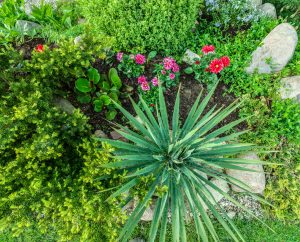
When summer rolls around, landscaping plants can really take off, which makes pruning a key task for keeping your yard looking tidy.
But here’s the thing: not all plants should be pruned at the same time. Each tree and shrub has its own unique pruning needs, and if you prune too much or at the wrong time, it can put your plants under stress.
Make sure to cut away any dead, damaged, or diseased branches when necessary, and don’t forget to trim back any overgrown areas that might be blocking walkways or cluttering up your landscape. For those larger trees or tricky branches that are hard to reach, it might be best to call in a professional.
Before you start pruning a plant you’re not familiar with, take a moment to find out what it specifically needs. With the right pruning, you can keep your plants healthy and well-shaped, ensuring your landscape stays neat and attractive all summer long.
6. Keep an Eye on Your Soil
Healthy plants thrive in healthy soil. If you notice that your lawn or landscape plants are having a tough time, even with regular watering and care, the soil beneath them might be the culprit.
When soil gets compacted, it can hinder the flow of water, air, and nutrients to the roots of your plants. Plus, poor drainage can lead to a whole new set of issues, especially after those heavy summer downpours.
Keep an eye out for spots where water tends to pool, where grass seems to struggle, or where the soil feels rock-hard and compacted.
Depending on what you find on your property, you might need to consider solutions like aeration, adding soil amendments, grading, improving drainage, or making other landscape enhancements.
Tackling soil issues can lay the groundwork for a healthier, more vibrant lawn and garden.
7. Give Your Flower Beds Regular Attention
Flower beds can really brighten up your landscape during the summer months, but they do need some regular TLC to keep looking their best.
Make sure to remove any spent flowers when the time is right; this helps certain plants keep blooming. It’s also important to keep those beds weed-free and to keep an eye out for any signs of stress or pesky pests on your plants.
Don’t forget about spacing, either! When plants get too crowded, they can struggle to get enough sunlight and airflow.
Summer is a great time to take a step back and see how your landscape is doing. You might spot areas that are thriving and others that could use a little boost. This could be the perfect chance to add some seasonal flowers, swap out struggling plants, or even redesign parts of your planting beds.
Simple summer landscaping ideas, like sprucing up a garden bed or adding the right seasonal plants, can really make a difference without needing a full landscape overhaul.
8. Maintain Your Landscape Edges
Small details can really transform the overall look of your yard. Having clean, well-defined edges between your lawn, planting beds, walkways, and other landscape features can make your property feel much more organized.
During the summer, overgrown grass can easily creep into your planting beds and along walkways. By regularly edging, you can maintain those crisp boundaries, making even the simplest landscape appear more intentional.
Don’t forget to focus on the areas around driveways, sidewalks, patios, garden beds, and other hardscape elements.
Landscape edging doesn’t have to be a complicated task. With consistent upkeep, you can keep your yard looking tidy, allowing any other landscaping improvements to really shine.
9. Watch for Signs of Plant Stress
When summer rolls around, the heat can really take a toll on our plants, especially during those long stretches of scorching temperatures or when rain is hard to come by.
Keep an eye out for signs like wilting, leaves that have lost their color, thinning grass, or any odd growth patterns. Remember, these symptoms can stem from various issues, so don’t jump to the conclusion that your struggling plant just needs a drink.
Overwatering, poor drainage, pests, diseases, soil issues, and environmental stress can all play a role in a plant’s health.
By regularly checking on your landscape, you can spot potential problems before they escalate. If you’re ever in doubt about what’s bothering a tree, shrub, lawn, or garden plant, it might be a good idea to reach out to a landscaping expert.
Taking action early can often simplify landscape maintenance and safeguard your investment.
10. Schedule Professional Landscaping Maintenance
Keeping up with all the demands of summer landscaping can be quite a challenge, especially for homeowners with sprawling properties or packed schedules.
That’s where professional landscaping services come in handy! They can take care of a variety of routine summer tasks like mowing, trimming, pruning, edging, weeding, mulching, planting, and other seasonal needs.
One of the biggest perks of hiring a pro for your summer landscaping is the convenience it offers. With their help, you can spend less time on the usual yard work and more time enjoying your beautifully maintained property.
A skilled landscaper can also spot areas in your yard that might need a little extra love. This could be anything from drainage issues and struggling plants to soil concerns, overgrown spots, or landscape beds that could use a refresh.
If you’re thinking about bringing in some professional help, getting quotes for summer landscaping services can give you a clearer picture of what’s available and help you compare the costs of keeping your property in top shape.
Summer Landscaping Checklist
Before the season gets into full swing, homeowners can use a simple summer landscaping checklist to stay on top of routine maintenance:
- Water lawns and plants as needed
- Mow grass at the appropriate height
- Inspect and remove weeds
- Refresh landscape mulch
- Prune plants when appropriate
- Check for soil and drainage problems
- Maintain flower beds
- Edge lawns and walkways
- Look for signs of plant stress
- Schedule professional maintenance when needed
Keeping up with these tasks throughout the season can make it easier to maintain a healthy and attractive landscape.
J.M. McLaughlin Landscaping Is Ready To Help
J.M. McLaughlin Landscaping can help homeowners keep their yards healthy, attractive, and well maintained throughout the summer. From lawn care and mowing to pruning, mulching, edging, and seasonal landscaping, their team can provide reliable services tailored to your property’s needs.