
Spring is such a delightful time to breathe fresh life into your landscape after a long, cold winter. But knowing what to prune and what to leave alone can really make a difference. This handy spring pruning guide is here to help you pinpoint the best times to trim a variety of plants, whether you’re dealing with flowering shrubs, shade trees, fruit trees, roses, berries, or grapevines. Pruning correctly not only encourages healthy growth but also enhances flowering and fruit production, reduces the risk of disease, and keeps your plants looking fabulous. Whether you’re sprucing up a well-established landscape or nurturing new garden beds, these seasonal pruning tips will make sure your property shines all season long.
You’ll Learn in This Blog
- The best time to prune trees, shrubs, flowers, and vines.
- Which plants should and shouldn’t be pruned in spring.
- How proper pruning promotes healthier growth and blooms.
- Common pruning mistakes that can damage your landscape.
- Seasonal tips to keep your garden looking its best all year.
A Guide To Pruning Plants For Healthier Trees, Shrubs, and Flowers
Getting Started
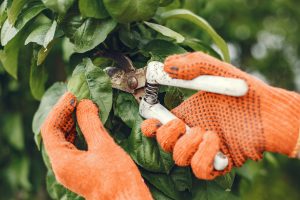
Before you grab those pruning shears, take a moment to really look at each plant. Start by getting rid of any dead, damaged, or diseased branches, as well as any that are crossing over each other. Once that’s done, you can shift your focus to shaping or reducing the size of the plant. And remember, always use clean, sharp tools for those smooth cuts that help the plant heal quickly.
One common mistake many homeowners make is thinking that every plant needs a spring trim. It’s just as crucial to know which plants to avoid pruning in early spring as it is to know which ones need it. A lot of spring-flowering shrubs actually bloom on last year’s growth, so if you prune too soon, you might be cutting off this year’s beautiful flowers.
As a general rule:
- Remove dead or damaged wood anytime.
- Research whether a plant blooms on old or new wood.
- Avoid removing more than one-third of a plant in a single season.
- Make cuts just above healthy buds or branch collars.
- Sanitize tools between diseased plants.
When To Prune Hydrangeas
Hydrangeas have their own unique pruning needs based on their variety. For bigleaf and oakleaf hydrangeas, which bloom on old wood, it’s best to give them just a light trim after they finish flowering. If you cut them back too much in the spring, you might end up snipping off the flower buds that are just starting to form.
On the other hand, smooth and panicle hydrangeas bloom on new wood, so they thrive with a good pruning in early spring, right before the new growth kicks in. By taking out some of the older stems, you’ll encourage fresh, vigorous shoots and enjoy bigger flower clusters all season long.
Need Help? Learn More About Our Landscape Maintenance Services Today.
Spring-Flowering Trees and Shrubs
If you have lilacs, azaleas, rhododendrons, flowering quince, forsythia, redbuds, or magnolias in your garden, it’s best to prune them right after they finish blooming. These beautiful plants actually form their flower buds during the previous growing season. So, if you do a heavy prune in the spring before they bloom, you might end up cutting off a lot of those buds, which can really cut down on their floral show.
After flowering:
- Remove spent blooms if desired.
- Thin overcrowded branches.
- Remove damaged or weak stems.
- Maintain the plant’s natural shape.
Summer-Blooming Trees and Shrubs
Summer bloomers are all about those vibrant flowers that pop up on new growth, which is why early spring is the perfect time to give them a good prune. Plants like butterfly bush, crape myrtle, Rose of Sharon, and various spireas really thrive with a little annual trimming before they kick into high gear.
Pruning in the spring not only helps create sturdier branches and bigger blooms but also promotes healthier growth overall. Just remember to take out the older stems and give the plant a gentle shape-up while keeping its natural look intact.
Shrubs Without Showy Blooms
A lot of landscape shrubs are actually chosen for their beautiful foliage instead of their flowers. You can typically prune plants like arborvitae, barberry, burning bush, privet, boxwood, and euonymus in early spring, just before they start to grow vigorously.
A little light shaping can help promote dense branching while keeping everything looking tidy. Just be careful not to do any heavy pruning later in the season, as that can encourage new, tender growth that might not handle frost very well.
When To Prune Clipped Hedges
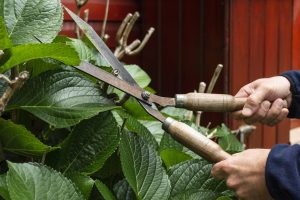
When it comes to formal hedges, it’s best to give them several light trims rather than one drastic cut. The initial pruning usually takes place in the spring, right after you see new growth, and then you can do some light maintenance during the summer as needed.
To keep your hedges looking their best, shape them so that the top is a bit narrower than the bottom. This way, sunlight can reach the lower branches, helping the entire plant stay lush and full.
When To Prune Roses
Pruning your rose bushes in the spring is a great way to boost their flowering, enhance air circulation, and promote overall plant health. Start the pruning process when you notice the new buds starting to swell, but make sure to do it before the leaves start to grow significantly.
Remove:
- Dead canes
- Diseased wood
- Crossing branches
- Weak stems
- Winter damage
Trim just above the outward-facing buds to promote an open center. This helps improve airflow and can significantly reduce the risk of fungal diseases.
Spring Pruning Knockout Roses
When it comes to hybrid roses, spring pruning for knockout roses is a breeze. Just trim the plants back by about a third in early spring to kickstart some robust new growth and keep those beautiful blooms coming all season long. Plus, don’t forget to deadhead those faded flowers during the summer; it really helps to encourage more flowers to pop up!
When to Prune Deciduous Shade Trees
If you have deciduous shade trees, the best time to prune them is during late winter to early spring while they’re still in their dormant phase. Trees like oak, maple, elm, ash, and sycamore really thrive with this kind of pruning since it’s much easier to assess their branch structure before the leaves start to come out.
Proper spring pruning trees includes removing:
- Broken limbs
- Crossing branches
- Water sprouts
- Suckers
- Diseased wood
When to Prune Deciduous Fruit Trees
Late winter to early spring is often seen as the prime time for giving your apple trees, pears, peaches, cherries, and plums a good prune.
Pruning while the trees are dormant helps sunlight reach more areas, boosts air circulation, and ultimately leads to a more fruitful harvest.
Focus on:
- Opening the canopy
- Removing inward-growing branches
- Eliminating dead wood
- Encouraging strong scaffold branches
Regular annual pruning often leads to larger, healthier fruit and improved harvest quality.
When To Prune Broadleaf Evergreens
Broadleaf evergreens like hollies, laurels, boxwoods, and rhododendrons really thrive with a bit of selective pruning, especially after they bloom or in early spring, just before they start to grow vigorously again.
When you’re pruning, focus on removing any damaged branches or giving the plants a light shape-up. Be careful with heavy pruning, though, as it can cut back on flowering and might make the plants look a bit sparse for a while.
When to Prune Needle-Leaf Evergreens
When it comes to spruce, fir, hemlock, and Douglas fir, they usually don’t need much pruning at all. The ideal time to tackle any dead, damaged, or crossing branches is early spring, just before the new growth starts to pop up.
Be careful not to cut into older wood that doesn’t have any green needles left. Many needle-leaf evergreens have a tough time bouncing back from bare branches, so it’s best to avoid that.
When to Prune Pine Trees
Pines stand out from other evergreens because they grow new shoots known as “candles.” Instead of cutting off older branches, you should pinch or trim these new candles in late spring, right after they’ve stretched out but before the needles fully unfurl.
This technique helps promote a fuller, denser growth while keeping the tree looking natural. Just be careful not to cut too deeply into the older branches, as pines don’t typically sprout new shoots from mature wood.
When To Prune Perennial Flowers
Pines stand out from other evergreens since they sprout new growth in the form of “candles.” A lot of perennial flowers really thrive with a little early spring tidying up.
Make sure to clear away any dead stems that winter left behind, but let those fresh shoots come up on their own.
Common perennials that appreciate spring pruning include:
- Coneflowers
- Black-eyed Susans
- Bee balm
- Daylilies
- Hostas
- Sedum
- Ornamental grasses
Waiting until temperatures consistently warm also provides valuable winter habitat for beneficial insects that overwinter in stems.
When to Prune Annual Flowers
Most annual flowers don’t need much in the way of structural pruning. Instead, it’s best to concentrate on deadheading those spent blooms during the growing season to keep the flowers coming.
By pinching back young annuals like petunias, marigolds, zinnias, and impatiens early on, you’ll encourage them to grow fuller and produce even more flowers.
With a little regular maintenance, you can enjoy vibrant annual beds from spring all the way through fall.
When to Prune Bush Berries
If you want to keep your blueberries, currants, gooseberries, and elderberries thriving, make sure to give them a good prune every year in late winter or early spring.
Focus on cutting away the older, less productive canes and make room for the younger stems that are more likely to yield the best fruit.
Proper pruning improves:
- Air circulation
- Sunlight penetration
- Berry size
- Harvest quality
- Disease prevention
Trust J.M. McLaughlin Landscaping for Professional Spring Pruning
J.M. McLaughlin Landscaping offers top-notch spring pruning services designed to keep your trees, shrubs, and flowering plants looking their best. Our skilled team knows just when and how to prune each type of plant, helping your landscape flourish with robust growth and stunning blooms.