Keeping your landscape looking its best goes beyond just the occasional mowing and watering. It’s all about consistent care that helps your plants flourish, eases the stress on your lawns and garden beds, and enhances the overall look of your property throughout the year. Two key services that play a vital role in maintaining a tidy and functional outdoor space are weeding and mulching. Both of these practices contribute to healthier soil, stronger plants, and a more polished landscape design.
Why Weeding Matters
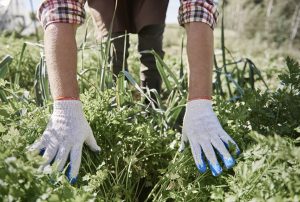
Weeding is crucial for a thriving landscape because those pesky unwanted plants compete with your grass, flowers, and shrubs for essential nutrients, water, and sunlight. If left unchecked, weeds can quickly take over your lawns and garden beds, weakening the surrounding plants and creating a messy look that can hurt your curb appeal.
Regular weeding is also a proactive way to prevent invasive growth from damaging your landscaping investments over time. By tackling weeds early on, you can minimize the risk of overcrowding, deter pests, and prevent soil nutrient depletion, all while helping your desired plants grow stronger and healthier through the changing seasons.
Why Mulching Makes Sense
Mulching offers both practical and aesthetic advantages for both residential and commercial landscapes. When applied correctly, a layer of mulch helps retain soil moisture, regulate temperature, and reduce erosion, all while giving your flower beds and planting areas a neat, finished look that enhances your property’s overall appeal.
Beyond just improving appearance, mulching also helps keep weeds at bay and fosters healthier soil conditions as organic materials break down naturally over time. This protective layer can lessen your maintenance efforts while ensuring that your plants and shrubs stay healthy during hot spells, droughts, or unpredictable weather changes.
Weeding and Mulching 101: How To Keep Your Garden Beds Clean and Protected
Common Types of Weeds
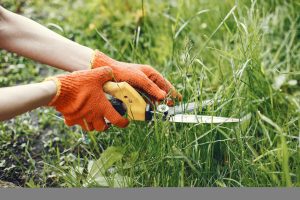
Weeds can really take over lawns, flower beds, and landscaped areas if they’re not dealt with. These pesky plants compete with your healthy grass and flowers for essential nutrients, water, and sunlight, making it tough for your landscape to flourish.
Some weeds spread aggressively through their root systems, while others quickly scatter their seeds, thanks to the wind, water, or even foot traffic. By getting to know the most common types of weeds, property owners can spot issues early and keep their landscapes looking great all year round. Regular lawn care and maintenance can help curb weed growth and enhance the overall look and health of outdoor spaces.
You’ll often find common weeds in both residential and commercial landscapes, including:
- Dandelions
- Crabgrass
- Clover
- Chickweed
- Nutsedge
- Thistle
- Plantain weeds
- Bindweed
Benefits of Mulching
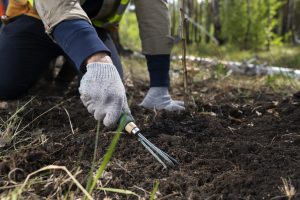
Mulching comes with a host of benefits that not only enhance the look of your landscaped areas but also boost their health. When applied correctly, a layer of mulch helps keep soil temperatures steady, retains moisture, and shields plant roots from harsh weather. Plus, it gives flower beds and garden spaces a neat, polished appearance that really ups your curb appeal.
Beyond just making things look good, mulching also cuts down on maintenance by reducing soil erosion and keeping weeds at bay. Organic mulch materials break down over time, enriching the soil and promoting healthier plant growth and stronger root systems.
Here are some of the standout advantages of mulching:
- Improved soil moisture retention
- Reduced weed growth
- Better soil temperature regulation
- Enhanced curb appeal
- Reduced soil erosion
- Healthier plant growth
- Lower long-term landscape maintenance
Types of Mulch
When it comes to mulch, there’s a whole variety to choose from, each with its own set of perks tailored to your landscape’s needs. Organic mulches are a favorite because they decompose over time, enriching the soil, while inorganic options are often selected for their aesthetic appeal and durability.
Picking the right mulch really hinges on a few key factors like the type of plants you have, the climate in your area, how much upkeep you’re willing to do, and the look you want to achieve. If you’re unsure, professional landscaping services can guide you in selecting the perfect mulch for flower beds, trees, pathways, and other outdoor spaces.
Here are some common types of mulch:
- Hardwood mulch
- Bark mulch
- Pine straw
- Cedar mulch
- Compost mulch
- Rubber mulch
- Stone or gravel mulch
- Dyed decorative mulch
How Mulch Prevents Weeds
Mulch serves as a protective layer that limits sunlight from reaching the soil, making it tougher for weeds to sprout and thrive. When applied at the right depth, mulch can greatly cut down on weed growth in flower beds, around shrubs, and across landscaped areas.
Beyond just blocking sunlight, mulch also helps create more stable soil conditions that promote healthy plant growth while keeping invasive weeds at bay. By combining regular maintenance with proper mulch application, you can keep your landscapes looking cleaner, healthier, and easier to manage all year round.
Mulch helps prevent weeds by:
- Blocking sunlight from reaching weed seeds
- Reducing open soil exposure
- Limiting weed germination conditions
- Helping soil retain consistent moisture
- Creating healthier growing conditions for plants
- Reducing the spread of airborne weed seeds
Best Practices for Garden Beds
Taking care of your garden beds is key to keeping your landscape looking vibrant, organized, and attractive all year round. By staying on top of maintenance, you can prevent overgrowth, encourage healthy plant growth, and enhance the overall look of both residential and commercial spaces. Plus, regular upkeep can help you tackle potential landscaping problems before they escalate into bigger headaches.
A crucial aspect of maintaining healthy garden beds is managing weeds effectively. Those pesky weeds compete with your flowers, shrubs, and other plants for essential nutrients, water, and sunlight, which can gradually weaken your landscape. By conducting regular checks and seasonal cleanups, you can keep invasive growth at bay and safeguard your plants’ health.
Many property owners find that routinely weeding their mulch beds keeps their landscaped areas looking neat and tidy. When you combine edging, trimming, watering, and mulching, you create better growing conditions, boost curb appeal, and cut down on the amount of ongoing maintenance needed.
Best practices for maintaining garden beds include:
- Remove weeds regularly
- Apply fresh mulch seasonally
- Use proper plant spacing
- Water deeply and consistently
- Trim dead or damaged plants
- Improve soil with compost when needed
- Edge beds for a cleaner appearance
- Monitor for pests and plant disease
When to Refresh Mulch
Mulch naturally breaks down over time thanks to exposure to the elements, moisture, and the process of decomposition. As it ages, mulch becomes less effective at holding moisture, regulating temperature, and keeping weeds at bay. Regularly refreshing your mulch not only helps maintain healthier soil conditions but also enhances the overall look of your landscaped areas.
When mulch layers get too thin or compacted, many of its benefits start to fade. Signs like faded color, exposed soil, and a surge in weed growth indicate that it might be time to add some fresh mulch. Keeping up with seasonal maintenance is key to preserving the protective barrier that mulch creates around your plants and flower beds.
Before you lay down new mulch, it’s crucial to tackle any existing weeds. This step maximizes your long-term results by stopping unwanted growth from spreading beneath the surface, while also ensuring a cleaner and more effective mulch layer for controlling weeds and retaining moisture.
Signs it may be time to refresh mulch include:
- Faded or discolored mulch appearance
- Increased weed growth
- Thin or uneven mulch coverage
- Soil becoming exposed
- Mulch breaking down into soil
- Poor moisture retention in garden beds
- Compacted mulch layers around plants
Why Choose J.M. McLaughlin Landscaping For Your Weeding and Mulching Needs
Choosing the right landscaping company makes a major difference in the appearance and health of your outdoor spaces. J.M. McLaughlin Landscaping stands out by delivering reliable, detail-oriented services customized to your property’s specific needs while focusing on long-term landscape health and curb appeal. From professional weeding and mulch installation to ongoing garden bed maintenance and weed control, their team provides tailored solutions designed to keep your landscape clean, healthy, and visually appealing throughout the year.