Creating a lush, green lawn isn’t just a stroke of luck—it takes the right mix of care, timing, and maintenance. One aspect that often flies under the radar is thatch buildup, which can quietly block your grass from soaking up the water, air, and nutrients it needs to flourish. While a little thatch is perfectly normal, too much can result in weak growth and unsightly patches. Knowing what thatch is, what leads to its buildup, and when to tackle it can significantly improve your lawn’s health. In this guide, we’ll cover everything you need to know about de-thatching your lawn, including the best timing, how the process works, and whether you should handle it yourself or bring in a pro.
in this blog you’ll learn:
- What lawn thatch is and why it matters
- What causes thatch buildup
- Signs your lawn needs dethatching
- The best time to dethatch based on grass type
- How dethatching works and tools used
What Is Thatch
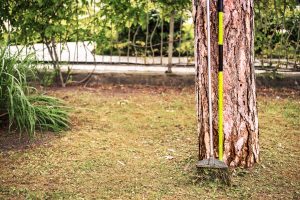
Lawn thatch is that layer of organic material that builds up between the soil and the lush green grass blades. It’s made up of partially decomposed stems, roots, crowns, and other plant debris that accumulate over time. While many people confuse it with loose clippings, real thatch is much more fibrous and tightly woven, creating a noticeable layer that you can feel when you dig into the turf. Understanding this layer is crucial for assessing your lawn’s health and deciding if it’s time to de-thatch.
The thickness of this layer can vary based on the type of grass, how you maintain your lawn, and the environmental conditions. Cool-season grasses and certain spreading varieties tend to produce more organic material, which increases the chances of thatch buildup. When thatch gets thicker than about half an inch, it can start to hinder water absorption and root growth. At that point, de-thatching becomes a focused solution rather than just a routine chore, aimed at restoring the balance between organic buildup and decomposition.
Definition of Lawn Thatch
Lawn thatch is that pesky layer of organic material that accumulates between the soil and the lush green grass you see on top. It naturally builds up over time as your lawn grows and sheds bits of plant material. By understanding how thatch works, you can keep your lawn healthier and know when it’s time to de-thatch.
How Thatch Forms in Grass
Lawn thatch is a mix of partially decomposed roots, stems, and other plant debris that gathers just above the soil line. Unlike grass clippings, which break down pretty quickly, thatch creates a dense, fibrous layer that can feel a bit spongy when you walk on it. Knowing what thatch is can help you figure out when it’s necessary to de-thatch your lawn and when it’s okay to leave it be.
Why Some Thatch Is Normal
Thatch builds up when your lawn produces more organic material than the soil can handle. This often occurs in conditions that limit microbial activity, like compacted soil, overwatering, or excessive fertilizer use. As this material piles up, the layer gets thicker, and that’s when you might need to consider de-thatching to get your lawn back to its best.
De-Thatching Your Lawn: What It Is and When Your Yard Needs It Most
What Causes Thatch Buildup
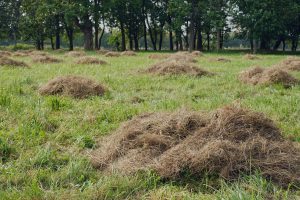
Thatch buildup occurs when your lawn creates more organic material than the soil can break down. This imbalance often stems from poor lawn care practices and soil conditions that hinder natural decomposition. By understanding the key causes, you can prevent excessive buildup and minimize the need for de-thatching your lawn in the long run.
Overwatering and Overfertilizing
When you overwater and overfertilize—especially with high-nitrogen fertilizers—it can lead to rapid grass growth, resulting in more roots and stems than the soil can manage. This quick growth creates a layer of organic material that doesn’t decompose properly, leading to a thicker thatch layer.
Additionally, too much water can restrict oxygen in the soil, which slows down the microbes that break down organic matter. When this balance is off, thatch builds up more quickly, making it more likely that you’ll need to de-thatch your lawn if these practices continue.
Poor Soil Microbial Activity
Healthy soil depends on microorganisms to decompose organic material and keep thatch levels in check. If the soil is compacted, nutrient-deficient, or poorly structured, microbial activity diminishes, slowing down the natural decomposition process.
As a result, dead plant material accumulates faster than it can be broken down. Enhancing soil health can often help reduce thatch naturally, but if it becomes too thick, you may need to de-thatch your lawn to restore proper soil function and airflow.
Excess Organic Matter Accumulation
Thatch tends to pile up when there’s too much organic debris hanging out on your lawn’s surface. This can be anything from roots and stems to grass clippings that aren’t breaking down properly, often due to poor soil conditions or not-so-great lawn care habits.
As time goes on, this extra material creates a thick barrier that keeps water and nutrients from getting to the soil. When that happens, de-thatching your lawn becomes a crucial step to bring back healthy growth and prevent further stress on your grass.
Signs Your Lawn Needs Dethatching
Spotting the signs of too much thatch can help you take action before it wreaks havoc on your lawn. While a little thatch is perfectly normal, an excessive amount can lead to noticeable problems that affect your grass’s appearance and health. Catching these warning signs early can help you decide when it’s time to de-thatch your lawn.
Spongy or Bouncy Lawn Feel
One of the simplest ways to tell if you have too much thatch is by walking on your lawn. If it feels unusually soft, spongy, or bouncy under your feet, that could be a sign of a thick thatch layer sitting on top of the soil.
This cushy feeling can stop roots from digging deeper into the ground, which weakens the overall structure of your lawn. When this occurs, de-thatching can help clear away the excess layer, allowing roots to grow more securely into the soil.
Water Not Absorbing Properly
If you notice that water tends to pool on the surface of your lawn or runs off instead of soaking in, thatch might be acting as a barrier. A thick layer can prevent water from reaching the soil, leaving roots dry even when you’re watering regularly.
This situation can also heighten the risk of disease, as moisture trapped in the thatch creates a perfect breeding ground for fungi. In these cases, de-thatching your lawn can enhance water absorption and foster healthier soil conditions.
Weak or Patchy Grass Growth
If your grass looks thin, weak, or patchy, it might be a sign that nutrients and water aren’t getting to the roots as they should. Too much thatch can block access to these vital resources, making it tough for your lawn to grow evenly and stay healthy.
Over time, this can create bare patches and make your lawn more susceptible to pests and weeds. Tackling the issue by de-thatching your lawn can help restore the flow of nutrients and encourage stronger, more consistent grass growth.
Best Time to Dethatch
When it comes to dethatching your lawn, timing is everything. Hitting the sweet spot in your grass’s growth cycle can make all the difference, helping it bounce back quickly and reducing stress. Picking the right season can turn dethatching into a much more effective and less harmful process.
Cool-Season Grass Timing
For cool-season grasses like fescue and bluegrass, the best times to dethatch are early spring and early fall. These seasons are prime for dethatching since the grass is robust enough to recover swiftly. By focusing on these growth spurts, you can minimize damage and promote healthy regrowth after you’ve dethatched.
It’s best to steer clear of dethatching during extreme heat or cold, as those conditions can stress your grass even more. Early fall is often a great choice because the soil is still warm and moisture levels are stable. This combination allows your lawn to heal efficiently after dethatching and get ready for the next growing season.
Warm-Season Grass Timing
For warm-season grasses like Bermuda and zoysia, the sweet spot for dethatching is late spring to early summer, right as the grass is gearing up for its peak growth. This timing ensures that your lawn can bounce back quickly after dethatching and fill in any bare spots.
Dethatching too early can risk damaging your lawn before it’s fully awake from dormancy. Waiting for those consistent warm temperatures helps speed up healing and strengthens root development. Getting the timing right makes dethatching more effective and lowers the chances of thinning grass.
Weather Conditions to Consider
When it comes to dethatching, the weather plays a crucial role, just like timing. You want mild temperatures, a bit of moisture, and calm conditions to create the perfect environment for your lawn to bounce back. Steer clear of extremely dry or overly wet weather, as both can put your lawn under stress during the dethatching process.
Ideally, pick a day when the soil is a little moist but not soaked. This makes it much easier to remove thatch without harming the roots. Keeping an eye on the weather ensures that dethatching helps your lawn thrive instead of causing unnecessary strain.
How Dethatching Works
Dethatching is all about getting rid of that thick layer of organic material that accumulates between the soil and the grass blades. The process involves breaking up and pulling out this layer to enhance airflow, water absorption, and nutrient delivery. Knowing how it all works can give you the confidence to tackle dethatching your lawn effectively.
Tools Used for Dethatching
There are various tools available for dethatching, depending on the size of your lawn and how much buildup you’re dealing with. Common choices include dethatching rakes, power dethatchers, and vertical mowers, all designed to lift and break apart thatch.
Manual tools are great for smaller areas, while powered equipment is more suited for larger lawns or thicker thatch. Picking the right tool not only makes dethatching more efficient but also ensures the job gets done thoroughly without causing any unnecessary damage.
Manual vs Mechanical Methods
When it comes to dethatching, you have two main options: manual and mechanical methods. Manual dethatching means using a specialized rake to pull up thatch by hand. This approach gives you a lot of control, making it perfect for smaller lawns or light thatch buildup. However, be prepared—it can be quite a workout and take a while, especially if you have a larger area to tackle.
On the other hand, mechanical dethatching involves using powered machines to get the job done faster and more evenly. These machines are great for heavy thatch buildup, but they can be a bit rough on your lawn. Ultimately, the choice between these methods comes down to the size and condition of your lawn, but both can effectively help you de-thatch when done right.
What to Expect During the Process
As you go through the dethatching process, you’ll notice a lot of dead material being pulled up from your lawn. At first, this might make your yard look a bit rough or uneven, but don’t worry—that’s completely normal. You might also see some soil and roots exposed temporarily as the thatch layer is lifted.
Once you’re done, your lawn will need some TLC to bounce back. This includes watering, fertilizing, and maybe even overseeding. With the right care afterward, you can expect your grass to start recovering within a few weeks. Knowing what to expect can help you stay on top of things and ensure that dethatching leads to lasting improvements instead of just a temporary mess.
Benefits of Removing Thatch
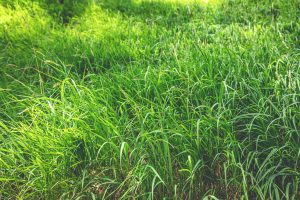
When you clear away excess thatch, you can boost the health and look of your lawn. By removing that thick layer, your grass gets much better access to the water and nutrients it craves to thrive. Recognizing these benefits can help you appreciate the importance of de-thatching your lawn at the right time.
Improved Water and Nutrient Absorption
A dense layer of thatch can create a barrier, blocking water and nutrients from reaching the soil where they’re most needed. Once you remove thatch, these vital resources can flow more freely into the root zone, leading to a healthier lawn overall. This is one of the first things you’ll notice after de-thatching. With better absorption, you’ll also waste less water and fertilizer. Instead of just sitting on top or running off, your grass will make better use of these resources. Some key improvements include:
- More even water distribution across your lawn
- Reduced runoff and pooling
- Better fertilizer effectiveness
- Healthier soil moisture levels
Stronger Root Development
When thatch builds up too much, grass roots tend to grow into that layer instead of reaching down into the soil. This results in weaker, shallower root systems that are more susceptible to stress. By getting rid of thatch, you promote deeper and stronger root growth, which is one of the key benefits of de-thatching your lawn.
Having deeper roots helps your lawn better endure drought, heat, and heavy foot traffic. Plus, robust root systems enhance nutrient absorption and overall stability. The perks of having stronger roots include:
- Increased drought resistance
- Improved tolerance to heat and stress
- Better anchoring of grass in the soil
- Enhanced long-term lawn durability
Healthier and Greener Lawn
When there’s too much thatch on your lawn, it can block sunlight, trap moisture, and create a cozy home for pests and diseases. By getting rid of thatch, you help restore balance, which allows your grass to grow more evenly and look more vibrant. Over time, regularly de-thatching your lawn can lead to a noticeable boost in color and thickness.
A healthier lawn not only looks fantastic but also means less upkeep in the long run. With better airflow and access to nutrients, your grass can grow thicker and outcompete those pesky weeds more effectively. You’ll likely notice some common improvements, such as:
- Greener, more uniform color
- Thicker and fuller grass coverage
- Fewer bare or patchy areas
- Reduced weed and disease issues
DIY vs Professional De-thatching
When it comes to deciding whether to tackle dethatching your lawn on your own or to bring in a pro, it boils down to a few key factors: the size of your lawn, how bad the thatch situation is, and how much time and effort you’re ready to put in. Both paths can work well, but they each have their own pros and cons. Knowing these can help you figure out the best way to get your lawn back in shape.
Pros and Cons of DIY
Going the DIY route can be a smart choice for those with smaller lawns or just a bit of thatch to deal with. It allows you to take charge of the whole process and can save you some cash right off the bat.
Many homeowners opt for this method when the dethatching doesn’t require heavy machinery. That said, DIY dethatching can be quite a workout and take up a lot of your time, especially if you’re relying on manual tools. Plus, it might not be as effective if you’re dealing with thicker layers of thatch. Here are some key pros and cons to consider:
Pros:
- Lower cost compared to hiring a professional
- More control over timing and process
- Suitable for small lawns or minor buildup
Cons:
- Labor-intensive and time-consuming
- Limited effectiveness for heavy thatch
- Requires renting or purchasing equipment
When to Hire a Professional
Opting to hire a professional is usually the smarter move, especially for larger lawns or when thatch buildup is bad. These experts come equipped with top-notch gear and the know-how to get the job done right and efficiently. This can be a game-changer, particularly when your lawn needs some serious de-thatching.
Plus, professionals can evaluate the overall health of your lawn and suggest follow-up treatments like aeration or overseeding. This approach helps you achieve lasting results instead of just a quick fix. Here are some scenarios where it makes perfect sense to call in a pro:
- Large lawn areas that are difficult to manage alone
- Thick or heavily compacted thatch layers
- Limited time or physical ability to do the work
- Need for additional lawn treatments or expertise
Cost and Time Considerations
When it comes to deciding between DIY dethatching and hiring a pro, cost and time are two major players. DIY options usually come with a lower price tag, especially if you already have the necessary tools. However, they do demand a good chunk of your time. For many homeowners, tackling the dethatching process themselves can take several hours or even stretch into days, depending on how big the yard is.
Professional services might hit your wallet a bit harder at first, but they can save you a lot of time and often provide quicker, more reliable results. They typically wrap up the job in a fraction of the time it would take you to do it solo. So, as you weigh your choices, keep these factors in mind:
- Your budget for lawn maintenance
- The size and condition of your lawn
- How much time you can realistically commit
- The value of convenience versus cost savings
Why Choose J.M. McLaughlin Landscaping
The lawn care company you choose matters. J.M. McLaughlin Landscaping stands out by providing reliable, detail-oriented weekly service, customized for your property and focused on results you’ll notice— including essential services like de-thatching to keep your lawn healthy and thriving.